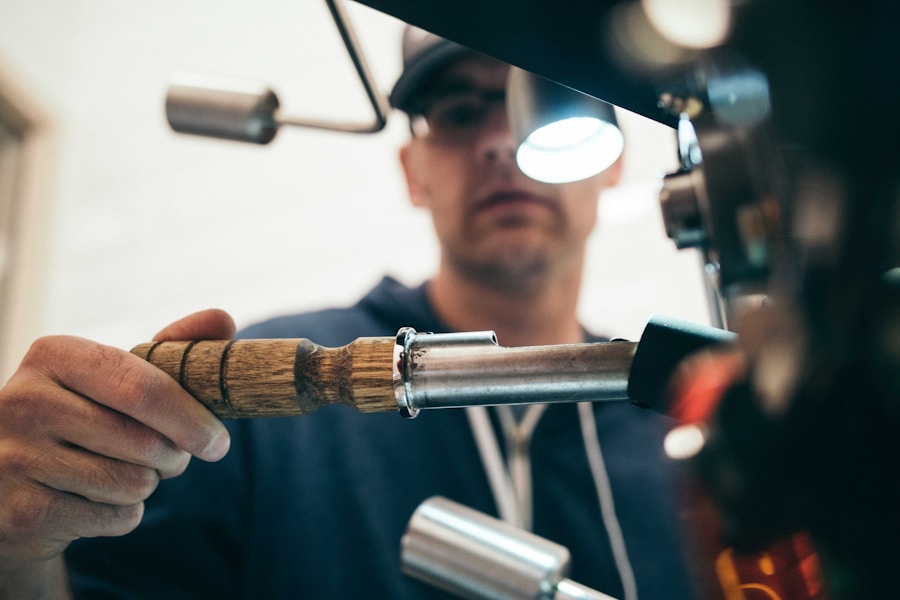
Woodturning is among the most immediately satisfying woodworking crafts. Unlike conventional woodworking where you push wood into stationary cutters, turning brings the wood to the tool while you guide the cutter. This reversal creates an almost meditative flow as you shape spinning wood into bowls, spindles, and decorative forms. If you've ever watched a master turner at work and felt that hypnotic pull, this guide will help you take your first steps into the craft.
Understanding the Lathe
The wood lathe is conceptually simple: a motor spins a horizontal spindle, which holds the wood piece, while you hold cutting tools against the spinning wood to shape it. The lathe's size determines the maximum diameter and length of workpieces you can turn. Small benchtop lathes handle pieces up to 10-12 inches in diameter, while large floor-standing models accommodate 20+ inch bowls and several feet of spindle work.
Lathe speed is critical and relates to the diameter of your workpiece. Larger diameters require slower speeds to prevent the wood from being thrown from the lathe. Most quality lathes offer variable speed control, allowing you to adjust for different piece sizes. A typical range is 400-3000 RPM.
Essential Turning Tools
Turning tools are ground differently from conventional plane or chisel blades. They have specially shaped edges designed to be held at specific angles to the wood. The primary gouge shapes for spindle work include the roughing gouge for initial rounding of square stock, the spindle gouge for creating detailed profiles, and the parting tool for cutting grooves and separating pieces.
Bowl turning requires different tools: bowl gouges with deeper flutes for the curved inside surfaces, scrapers for finishing curves where gouges won't reach, and parting tools for creating foot areas and separating finished pieces. Quality turning tools are made from high-speed steel or carbide tips—avoid cheap carbon steel tools which dull quickly.
Selecting Wood for Turning
Almost any wood can be turned, but some species are more forgiving for beginners. Soft maple machines easily and shows grain well. Ash and oak are moderately easy and produce dramatic patterns. Avoid extremely hard dense woods until you develop good technique, as they demand sharper tools and more controlled cuts.
For bowls, green (unseasoned) wood is often preferred because it turns easily and leaves beautiful natural edges. However, green wood must be properly dried afterward to prevent cracking. Starting with dry lumber for practice is perfectly acceptable—maple, cherry, and walnut turn beautifully when dry.
Fundamental Techniques
The most important technique in turning is proper tool presentation angle. Tools should contact the wood at approximately 90 degrees to the surface for finishing cuts, with the tool rest supporting the blade just below the cutting edge. Skewed presentations can cause catches where the tool digs in unexpectedly.
Move tools slowly and deliberately. Rushing leads to catches. Let the tool do the work—turning requires surprisingly little physical force. The wood comes off easily when the tool is properly sharpened and presented. Heavy pressure usually indicates dull tools or incorrect angle.
Safety Considerations
Turning safety has unique considerations. The spinning wood can catch loose clothing or hair with devastating results. Always tie back long hair, remove jewelry, and wear tight-fitting sleeves. Never turn wood with significant internal voids or inclusions—the unpredictable density changes can cause dangerous catches.
Tool rest height matters enormously. The rest should be set so the tool blade rests on it just below the centerline of the piece when in the horizontal position. As you move around the piece, adjust your body position to maintain this relationship rather than raising the tool rest for different cuts.
Getting Started
Before turning your first piece, practice with the lathe off. Mount a piece of scrap and practice the motions of moving tools along the rest without the spinning wood. This builds muscle memory and confidence. When you're ready to turn on the power, start slow and focus entirely on the work. Distracted turning leads to injuries.
Turn your first projects from easily-worked species like soft maple. Simple spindle work—table legs, stair balusters, candleholders—teaches fundamental tool control. Once comfortable with spindle work, attempt your first bowl. Start small and simple, then progress to more complex forms as your skills develop.