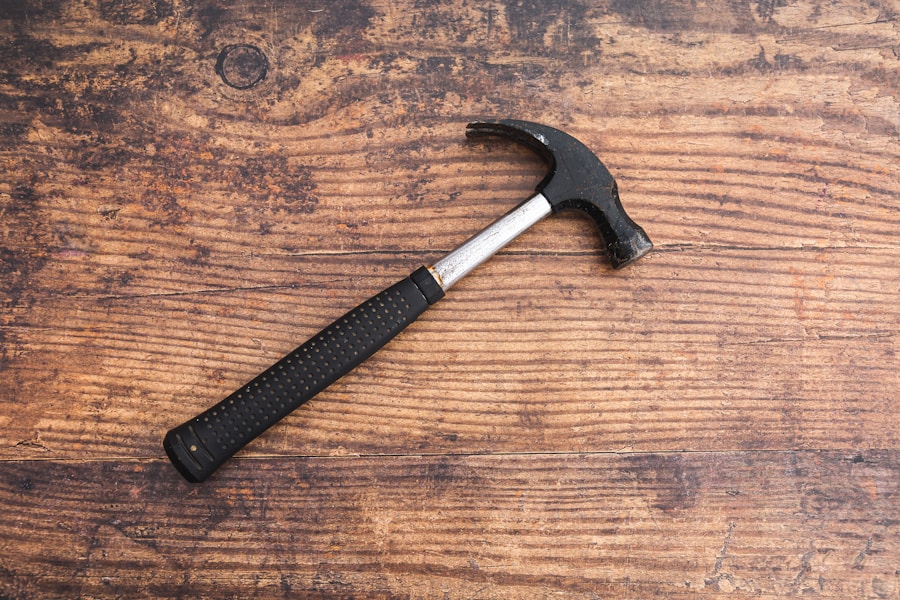
Woodworking is immensely rewarding, but it carries real risks. The very tools that allow us to shape wood with precision and beauty can cause severe injuries when misused or when safety precautions are ignored. Every year, thousands of woodworkers end up in emergency rooms with injuries that could have been prevented. This guide covers essential safety practices that every woodworker—from beginner to professional—must understand and follow consistently.
⚠️ The Reality of Woodworking Injuries
According to the U.S. Consumer Product Safety Commission, table saws alone cause over 30,000 emergency room visits annually. Most of these injuries involve finger amputations from kickback events. The good news: virtually all of these injuries are preventable with proper technique, attention, and safety equipment.
Personal Protective Equipment (PPE)
Your first line of defense is the gear you wear. Quality PPE costs relatively little compared to medical bills or, more importantly, your long-term wellbeing.
Eye Protection
Safety glasses or goggles are essential. High-velocity wood chips can blind you in an instant. Choose ANSI Z87.1-rated eyewear with side shields.
Hearing Protection
Noise levels in woodworking shops regularly exceed 85 dB. Sustained exposure causes permanent hearing damage. Use earplugs or earmuffs.
Respiratory Protection
Wood dust, especially from certain species, causes respiratory problems. Use N95 masks for casual work, N100 or respirators for extended periods.
Hand Protection
Cut-resistant gloves protect from splinters but should never be worn near rotating machinery. They're for handling lumber, not operating saws.
Table Saw Safety
The table saw is the most dangerous tool in most shops. Kickback—where the workpiece is thrown back toward the operator at high speed—is the primary hazard. Understanding and preventing kickback is crucial for table saw safety.
Preventing Kickback
Kickback occurs when the blade grabs the workpiece and throws it back. Several factors contribute to this dangerous event:
- Inadequate pressure against the fence: Always keep the workpiece firmly pressed against both the fence and table surface as you feed.
- Twisted or bowed stock: Inspect lumber before cutting. Warped or twisted boards can shift during the cut.
- Cutting pieces free: Never cut small pieces that would allow your hands to get close to the blade.
- Dull or improperly set blades: A sharp, properly set blade cuts cleanly. A dull blade tears and grabs.
- Improper anti-kickback device use: Ensure riving knife and anti-kickback pawls are installed and functional.
Blade Guard and Riving Knife
The blade guard assembly does more than protect your hands—it prevents binding on the blade during the cut. The riving knife maintains clearance behind the blade, preventing the kerf from closing and pinching the blade. Always use these safety devices unless your specific cut requires their removal, and even then, take extra precautions.
💡 Safe Feeding Techniques
Keep your hands in safe positions: one hand on the front of the workpiece, one on the side, pushing toward the blade. Never reach across the cutting line. Use push sticks and push blocks to maintain control when your hands must be far from the blade.
Router Safety
Routers spin at high speeds—often 20,000 RPM or more—and can grab workpieces violently if not handled correctly. The relatively small cutting diameter gives them tremendous leverage to throw workpieces.
Always secure your workpiece with clamps before routing. Use a starting pin or pilot bearing when freehand routing. Make shallow passes rather than attempting to remove a lot of material in one go. And never reach under the router table while it's running.
jointer and Planer Safety
Jointers and planers present unique hazards because they have exposed rotating cutters. With jointers, the danger is especially high because you're feeding wood by hand across a spinning blade.
Never joint stock shorter than the distance from your infeed table to the outfeed table. Short pieces can tip into the cutters. Keep your hands well away from the cutterhead, use push blocks and push sticks, and ensure the machine is properly grounded and its guards are in place.
Circular Saw Safety
Circular saws—handheld or radial arm—require respect for their power. Always support the workpiece so the cutoff doesn't pinch the blade. Make sure the cord is positioned so it won't be cut during the operation. Clamp your straightedge guide securely before cutting.
Check the blade guard operation before every use. The guard should return to its closed position freely. If it sticks, fix it before cutting. And always unplug the saw before changing blades.
Dust Collection
Beyond the immediate hazards of chips flying, fine wood dust poses serious long-term health risks. Hardwoods like oak and walnut can cause allergic reactions, while softwoods like pine produce abundant fine particles that penetrate deep into lungs.
Capture dust at its source with a quality dust collection system. At minimum, connect your machines to shop vacuums. Wear respiratory protection, especially when sanding. Keep your shop clean—accumulated dust on flat surfaces can become airborne and pose explosion risks.
Electrical Safety
Woodworking shops are harsh environments for electrical equipment. Dust, vibration, and occasional moisture combine to create hazards. Inspect cords and plugs regularly. Replace damaged equipment immediately. Use GFCI protection on all circuits. Keep electrical panels accessible and clearly labeled.
Fire Prevention
Wood dust is highly flammable, and many woodworking operations create sparks. Keep your shop organized and clean. Have appropriate fire extinguishers rated for Class A (ordinary combustibles) and Class C (electrical) fires. Know where they're located and how to use them. Store finishes and flammable materials in approved safety cabinets.
Mental Safety: The Most Important Factor
No amount of safety equipment protects a distracted woodworker. Fatigue, stress, rushing, and complacency contribute to accidents more than any mechanical failure. Work when you're alert and focused. Take breaks before you become tired. Don't rush to finish—speed kills in the workshop.
If you're learning a new operation, go slowly. Never operate machinery without understanding how it works. Alcohol, drugs, and woodworking don't mix. If you're taking prescription medications that affect your judgment or coordination, avoid the shop until you understand their effects.
Emergency Preparedness
Despite best practices, accidents can still happen. Be prepared: have a fully stocked first aid kit accessible. Know the location of your nearest emergency room. Keep your phone accessible to call for help. Post emergency numbers prominently. And learn basic first aid—stopping bleeding and treating shock can save lives while waiting for professional help.
Conclusion
Safety isn't a checklist you complete once—it's an ongoing commitment. Every time you enter the shop, assess the hazards, don your protective equipment, and focus on the task at hand. Build safe habits through repetition until they're automatic. The goal isn't to work faster or cut corners, but to return home uninjured after every shop session. Make safety your first priority, and you'll enjoy woodworking for a lifetime.